
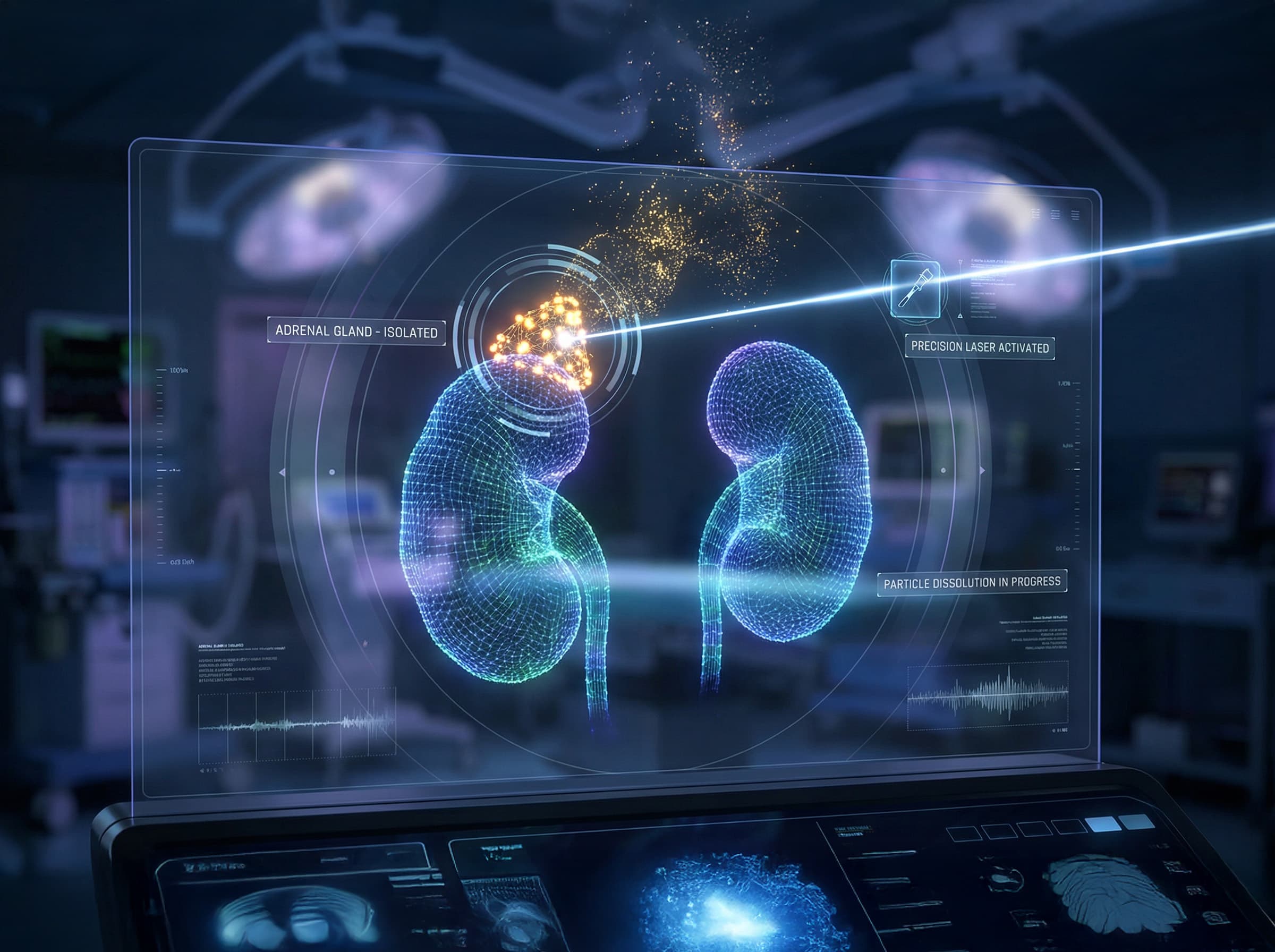
What Are the Adrenal Glands?
The adrenal glands are two small glands located directly above the kidneys. They play a vital role in secreting hormones that help regulate many essential bodily functions, including:
- Cortisol — regulates stress response and body metabolism
- Adrenaline (epinephrine) — helps the body respond to emergencies
- Aldosterone — regulates blood pressure and salt-water balance
Adrenal Gland Disorders:
- Addison's Disease: Occurs when the adrenal glands produce insufficient cortisol or aldosterone
- Congenital Adrenal Hyperplasia: A hereditary hormonal disorder affecting the development of sexual organs in males
- Benign or malignant tumors
- Infections or genetic mutations
When Does a Patient Need an Adrenalectomy?
- Unexplained high blood pressure
- Excessive sweating and rapid heartbeat
- Weight gain in specific body areas
- Muscle weakness or persistent fatigue
- Blood sugar level disturbances
In some cases, the problem is discovered incidentally without any symptoms.
How Is Laparoscopic Adrenalectomy Performed?
- General anesthesia
- Making small incisions in the abdomen
- Inserting a precision camera and surgical instruments through the incisions
- Identifying and carefully separating the affected adrenal gland
- Removing the gland and closing the small surgical incisions
The procedure typically takes 1 to 2 hours depending on the case.
Benefits of Laparoscopic Adrenalectomy:
- Very small incisions
- Less post-operative pain
- Reduced risk of bleeding
- Lower chance of infection
- Faster recovery
- Shorter hospital stay
Recovery After Adrenalectomy:
Most patients are able to move the day after surgery and can return to light daily activities within a few days. Patients must follow the doctor's instructions and attend follow-up appointments to ensure full recovery and stable hormone levels.