
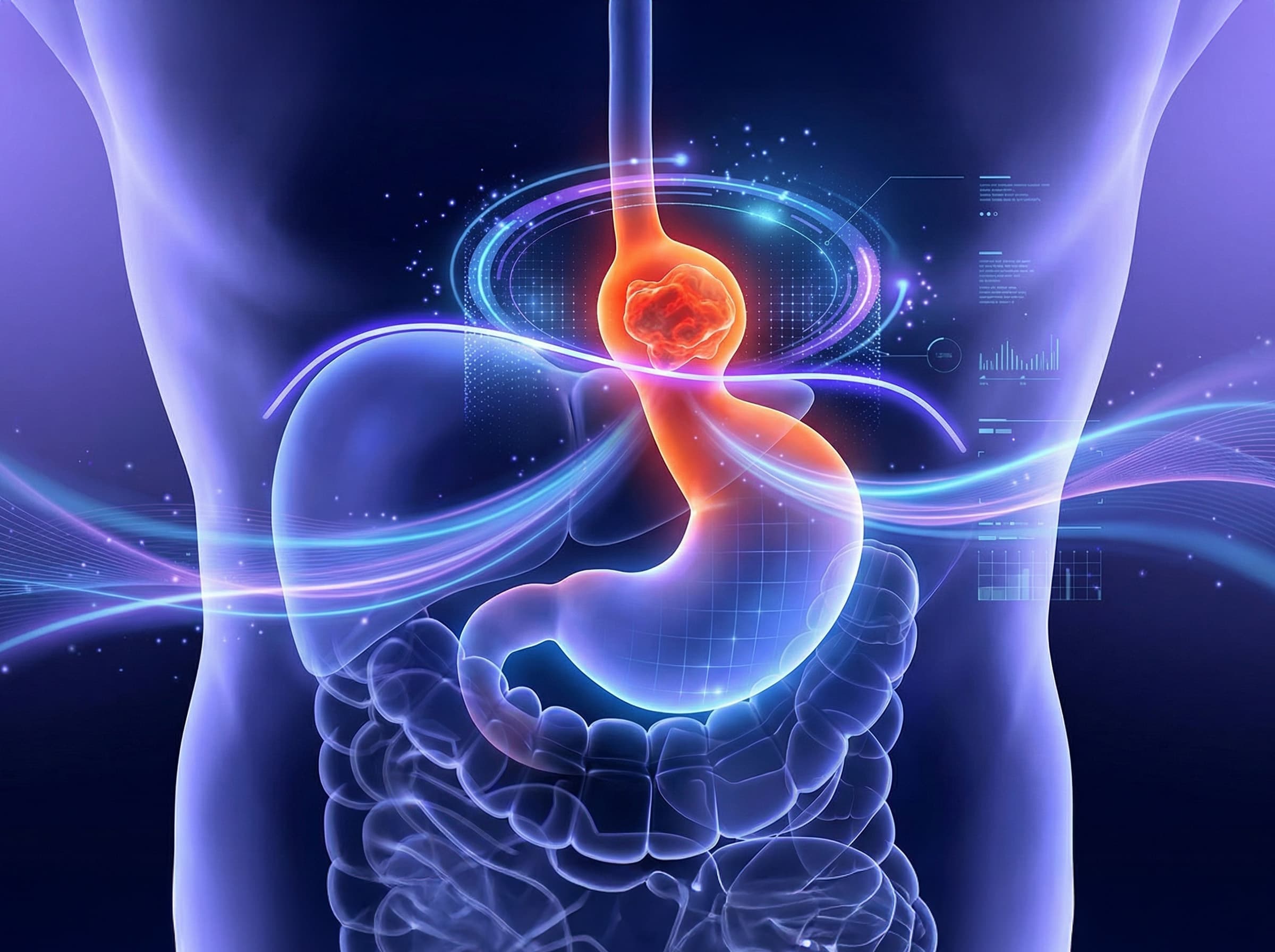
What Is a Hiatal Hernia?
A hiatal hernia occurs when the stomach or a portion of it slides upward through the diaphragm into the chest cavity, causing acid reflux, heartburn, and chronic discomfort when left untreated.
How Do You Know You Have a Hiatal Hernia?
- Burning pain or discomfort behind the sternum (breastbone)
- Difficulty swallowing or feeling full after eating
- Acid reflux or a sour taste in the mouth
- Nausea or vomiting in severe cases
- Occasional shortness of breath in large hernias
Important Pre-Operative Tests:
- Upper GI endoscopy to determine the location and size of the hernia
- Barium swallow X-ray to monitor esophageal and stomach movement
- Esophagoscopy to detect any inflammation or ulcers
- Complete blood count and cardiac/pulmonary evaluation
Open Surgery vs. Laparoscopy:
- Open surgery: Large abdominal incision, longer recovery, more pain, higher complication risk
- Laparoscopy: Small incisions, less pain, faster recovery, lower infection risk
Steps of Laparoscopic Hiatal Hernia Repair:
- Making several small incisions in the abdomen for camera and instrument insertion
- Returning the stomach and any displaced organs to their normal position
- Reinforcing the diaphragm opening using sutures or surgical mesh to reduce recurrence
- Closing the small incisions and applying sterile dressings
Recovery After Surgery:
- Return to light activities within a few days
- Minimal pain due to small incision size
- Regular follow-up with the doctor to ensure successful repair and prevent recurrence
Tips to Prevent Hiatal Hernia Recurrence:
- Avoid heavy lifting or strenuous activity for several weeks
- Follow the prescribed diet to reduce heartburn and support healing
- Office work return: 1–2 weeks; heavy physical work: 4–6 weeks depending on doctor's evaluation